
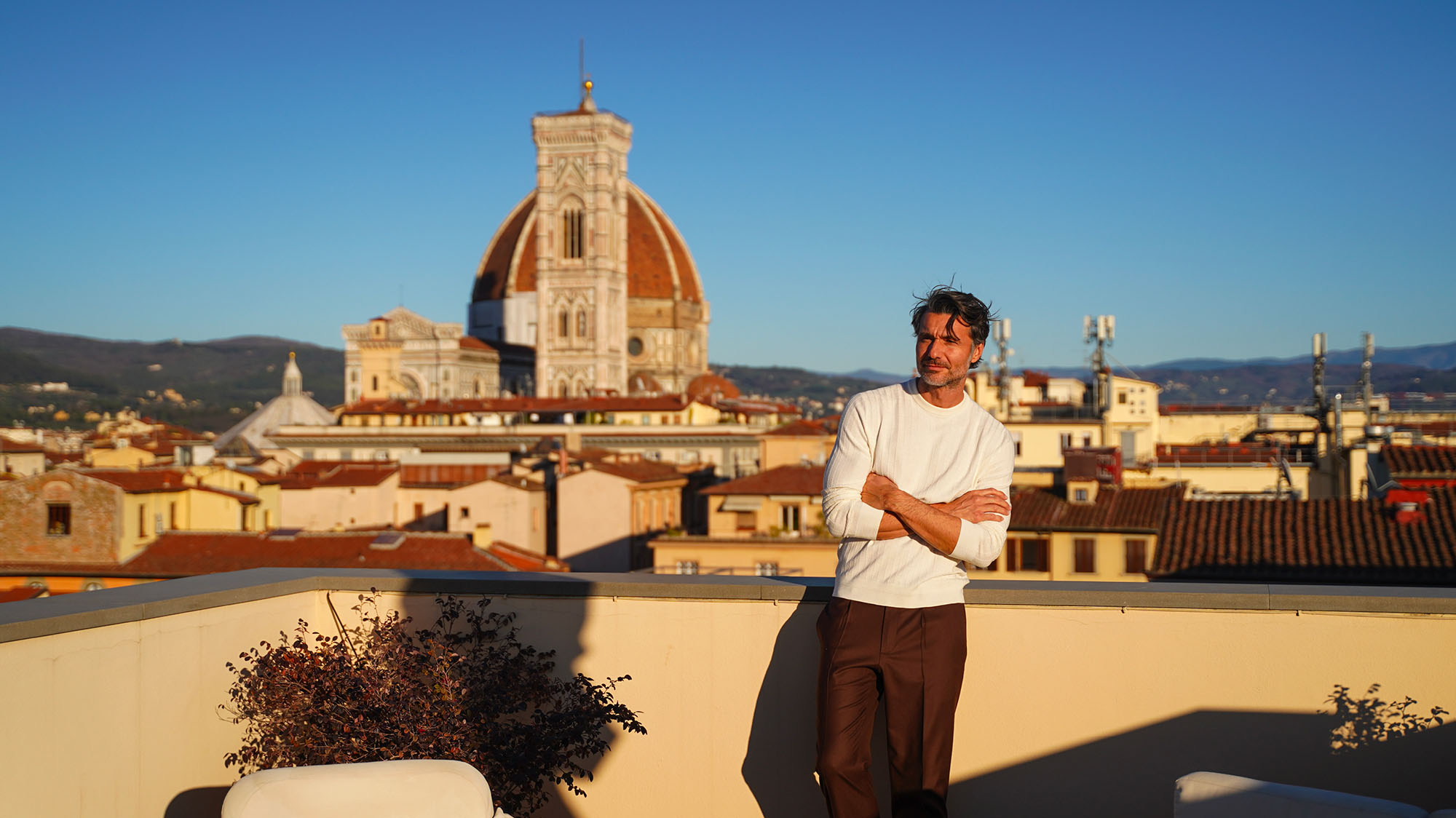
Visiting Florence vs Living in
Florence (There’s a Third Option)
Most people think there are only two ways to experience Florence.
You visit.
Or you live here.
But those two options are not as different as they seem, and neither fully delivers what many people are actually looking for.
Because what draws people back to Florence, again and again, is not just the city itself.
It’s the feeling that there is more to it than they were able to access the first time.
Visiting Florence
Visiting Florence is, by design, compressed.
You arrive with a sense of urgency, sometimes subtle, sometimes not. There are things to see, places to go, a version of the city you’ve been told not to miss.
And Florence accommodates.
You move from the Duomo to the Uffizi to Ponte Vecchio. You experience the city through its most visible expressions; its landmarks, its beauty, its history, all presented at once.
It is extraordinary.
And it is also incomplete.
Because Florence is not a city that reveals itself quickly.
There is a version of Florence that most visitors never find, not because it is hidden, but because finding it requires something different:
Time.
Return.
Familiarity.
Living in Florence
Living in Florence offers something closer to that deeper experience.
The city begins to unfold differently when you are not trying to see it all at once.
You notice smaller things.
The way the light moves across the façade of Santa Trinita in the morning.
The quiet of a Tuesday afternoon in the Bardini Gardens.
The workshops in the Oltrarno where the same hands have practiced the same craft for decades.
Florence becomes less about where to go, and more about how it feels to be there.
But for most people, living in Florence full-time is not realistic.
There are practical considerations like time, location, and commitments elsewhere. And owning a home in a historic city brings its own complexities, responsibilities, and limitations.
So while living here offers depth, it often lacks flexibility.
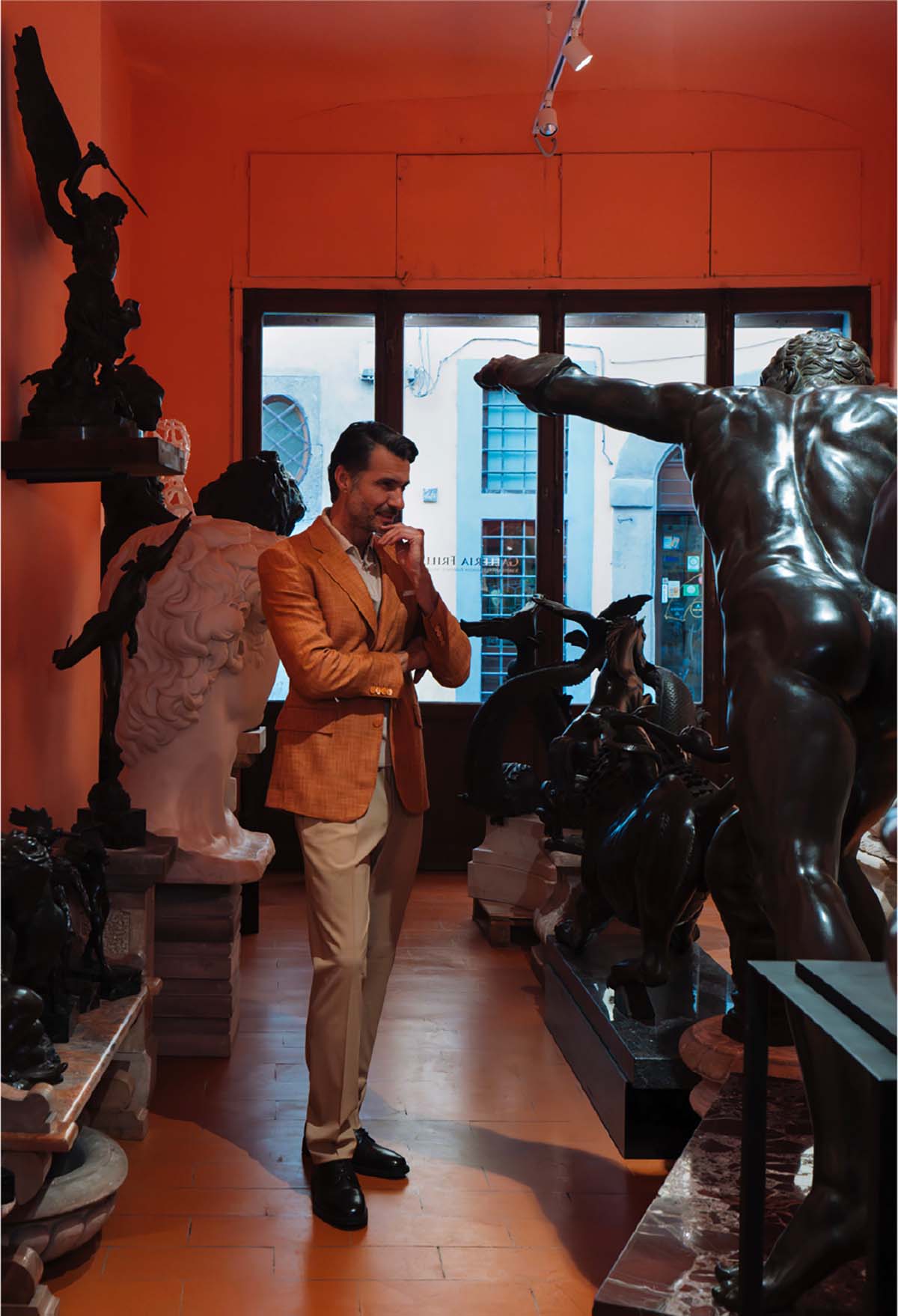

The Space In Between
There is a third way to experience Florence, one that most people don’t initially realize exists.
Not visiting.
Not relocating.
But returning.
Returning to the same place.
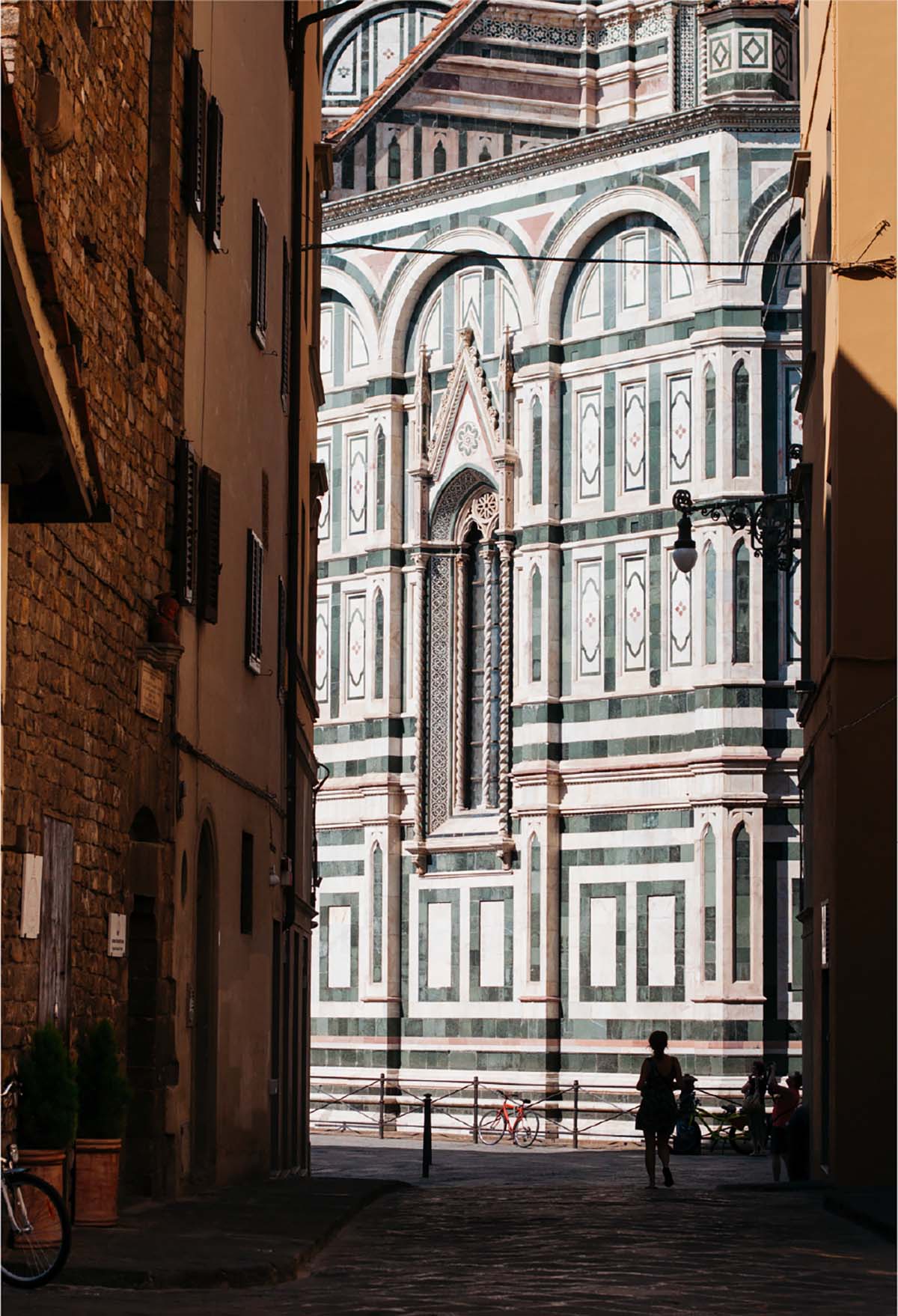
The same streets.
The same rhythm of the city, experienced over time rather than all at once.
This is where Florence begins to change.
What Changes When You Return
The first time, you see Florence.
The second time, you recognize it.
By the third, something shifts.
You stop trying to “cover” the city. You begin to move through it differently, more selectively, more intuitively.
You return to places you remember, not because they are recommended, but because they’ve become part of your own experience.
You begin to understand the city across seasons:
Spring, when the first outdoor tables appear along the Arno.
Summer, when the light sharpens and the streets stay alive late into the evening.
Autumn, when Florence softens and those who know it best tend to return.
Winter, when the city becomes quieter and more itself.
These are not experiences that happen in a single visit.
They accumulate.
What Changes When You Have a Place to Return To
How you experience a city is shaped, quietly but completely, by where your day ends.
Not in obvious ways.
But in small decisions.
Whether you go out again, or stay in.
Whether tomorrow feels open, or already accounted for.
Whether you feel like you’re passing through or continuing something.
Most stays in Florence are self-contained. They begin, they unfold, and they end.
And then, the next time, they begin again.
But something shifts when that pattern is interrupted, when the experience doesn’t reset each time you arrive.
You begin to pick up where you left off.
A street feels familiar sooner than expected.
A place comes to mind without needing to be looked up.
Time stretches, slightly.
You are no longer orienting yourself to the city.
You are moving within it.
Time, Experienced Differently
Florence does not change quickly.
But your experience of it does once you begin to return time after time.
Not everything needs to be done.
Not everything needs to be planned.
The city becomes less immediate, and more continuous.
You start to notice what you didn’t have time for in previous visits.
And then eventually what you might have overlooked entirely.
There is a difference between spending time somewhere and allowing that time to accumulate.
Florence responds to the latter.
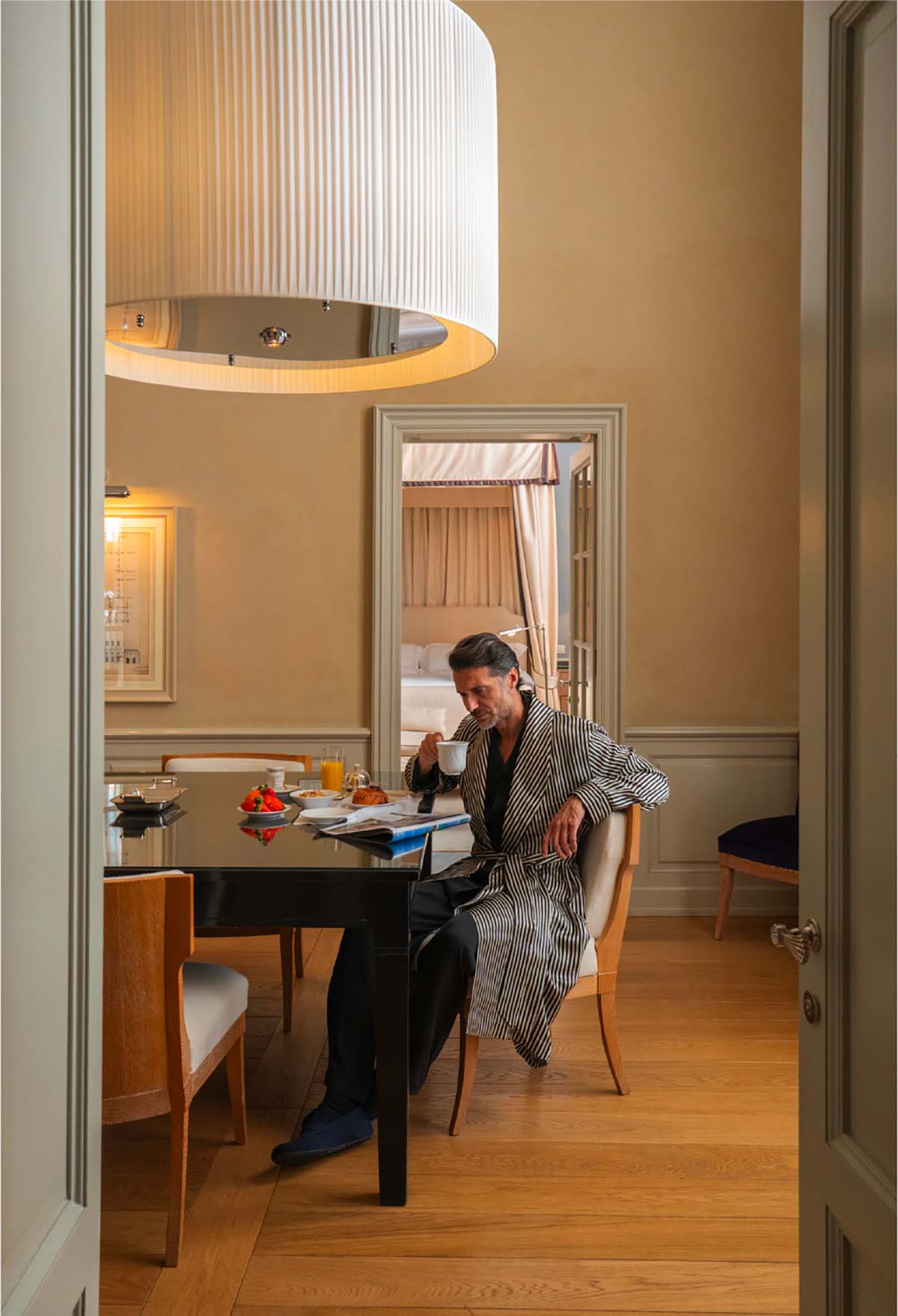
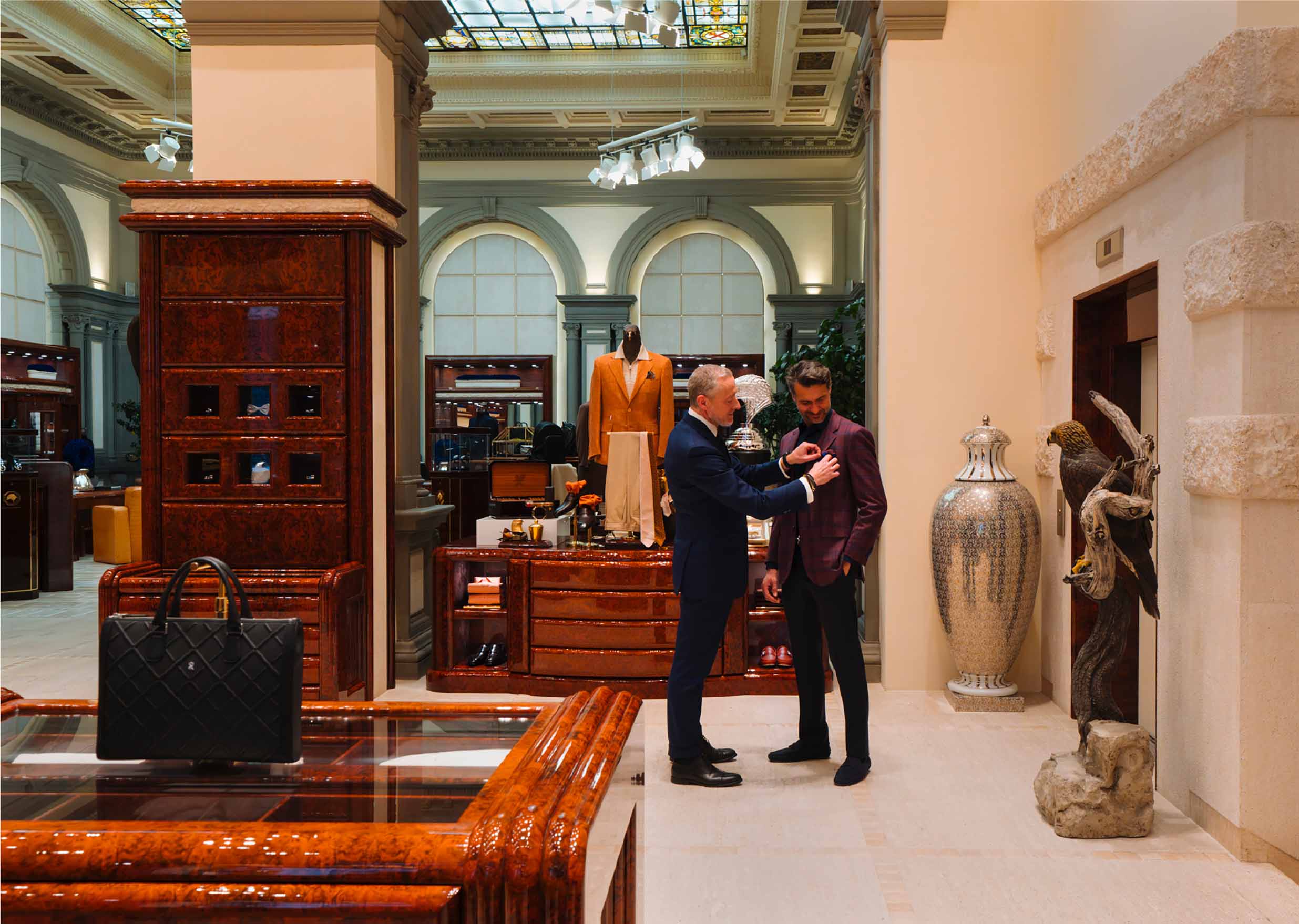
Florence, Lived Quietly
Florence rewards those who don’t rush it.
The early morning on Via Tornabuoni, before the street fully comes alive.
The familiarity of a place you’ve been before, and will return to again.
The quiet confidence of knowing where you are, and not needing to see everything.
This is not a different version of Florence.
It is simply Florence, experienced differently.
There are very few places that allow for this kind of continuity in Florence. Palazzo Tornabuoni happens to be one of them.
Frequently Asked Questions
What is a luxury residence club in Florence?
A luxury residence club offers a way to have a consistent place in the city through fractional ownership or Membership, combining the comfort of a private residence with the flexibility of managed access. At Palazzo Tornabuoni, Members return to a historic Renaissance palace with flexible usage throughout the year.
How is this different from staying in a hotel?
Hotels are designed for short-term stays and turnover. A residence club is designed for continuity—allowing you to return to the same environment, develop familiarity with the city, and experience Florence over time.
Is this the same as owning property in Italy?
No. Full ownership comes with ongoing responsibilities and limitations in usage. A residence club offers a more flexible model, allowing you to return regularly without the full burden of ownership.
Where is Palazzo Tornabuoni located?
Palazzo Tornabuoni is located on Via Tornabuoni in Florence’s historic center, within walking distance of the Duomo, Uffizi, Ponte Vecchio, and the city’s cultural and social landmarks.